
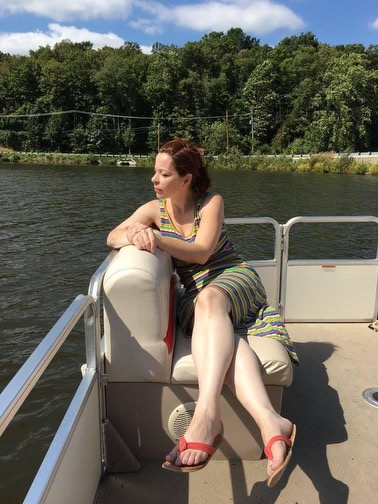
For Melissa, life revolves around being there for her family. A mother of four, she shares her Pennsylvania home with three of her children and spends much of her time keeping up with the schedules and needs of her two youngest daughters. Between school drop-offs, trips to the pool, and everyday family life, being able to plan ahead matters.
Melissa also makes time for creativity. She taught herself to paint with watercolors after picking up a set her daughter was no longer using, and she loves to sing—a hobby she now embraces as a way to keep using her voice. Her warmth and humor come through in everything she does, whether she is trading SpongeBob quotes with her youngest daughter or connecting with others in the Parkinson’s community.
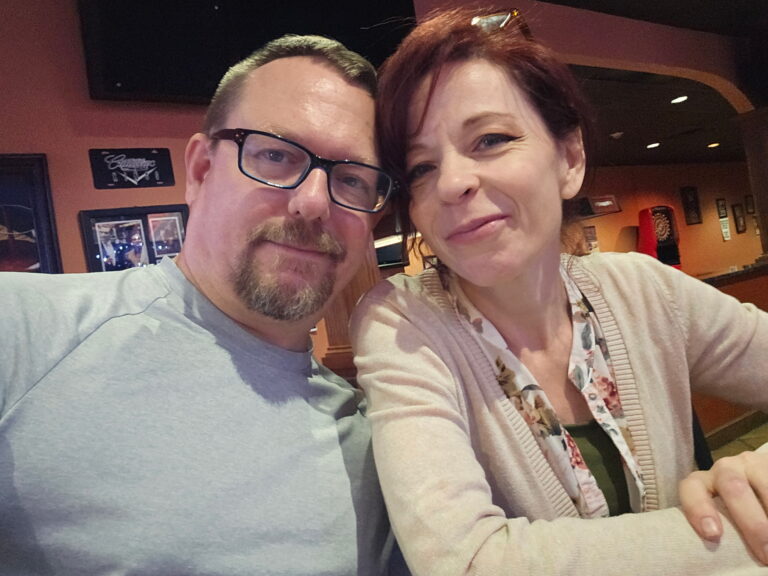
Melissa first began noticing changes after her youngest daughter was born in 2013. At first, she attributed her overwhelming tiredness to the demands of being a working single mother. A few years later, cramping in her right hand, a persistent knot in her calf, a limp, and a tremor made her feel that something neurological was happening. What followed was a years-long search for answers, interrupted by changes in work, insurance, and access to care.
In August 2020, at age 45, Melissa was diagnosed with young-onset Parkinson’s disease. Although she had suspected Parkinson’s might be the answer, hearing the diagnosis still left her shocked and afraid. She initially wondered how much time she had left. As she researched the disease and learned more about available treatments, however, her perspective began to change. Parkinson’s, she realized, was something she could live with.
That search for knowledge soon grew into advocacy. Melissa began sharing her experience online and created the hashtag #ParkinsonsIsLikeMe. Through social media, a podcast, and friendships within the Parkinson’s community, she found people who understood the realities of young-onset Parkinson’s. When she spoke openly about apathy, one of the less visible symptoms she had experienced, messages from others who felt seen reminded her why sharing honest stories matters.

Over time, Melissa worked with her healthcare team to adjust her treatment as her symptoms and needs changed. Dystonia—the involuntary tightening of her muscles—became one of her most difficult symptoms, affecting her shoulders, hands, legs, and feet. Before CREXONT, she says her medication routine divided life into short blocks of time, making meals, outings, and even driving her children to school difficult to plan.
After learning about CREXONT through the Parkinson’s community, Melissa asked her movement disorder specialist whether it might be an option for her. Together, they discussed the change and adjusted her dosing regimen based on her individual needs. She remembers the moment she first began to feel her muscles soften and relax.
“Within about half an hour, I realized it was working, and I just
cried,” Melissa recalls. I went upstairs, looked at my kids,
and said, “Ta-da. Look at this.”
Since starting CREXONT in 2025, Melissa says she has been better able to plan her meals and her day. She has also been able to return to exercise after a period when weight loss and weakness made it difficult. Most importantly, she feels better able to work around her children’s schedules and be present for the routines and experiences that matter to them. “I’m able to plan my day—period,” she says.
Melissa’s path has not always been simple. Finding the right care, navigating medication access, and speaking up when something did not feel right have all required persistence. Those experiences have strengthened the advice she now shares with others: partner with your healthcare team, ask questions, and be honest about what you are experiencing.
“Don’t be afraid to advocate for yourself and speak up,” Melissa says. “If something is not working for you, tell your doctor. Don’t be afraid to say what your needs are and what you’re looking for.”
For Melissa, advocacy is about making sure every part of life with Parkinson’s is part of the conversation—including the symptoms people may not see. By sharing her story with candor, humor, and heart, she hopes others will feel less alone and more confident speaking up for the care and support they need.

